From the Eastern Scheldt
Oysters from Zeeland
All our shells come from the Eastern Scheldt (Oosterschelde) in Zeeland, the largest national park in the Netherlands. We collect them ourselves along its beaches and dykes. But which oysters live there, and why is Zeeland the oyster country of the Netherlands?
Zeeland shells, decorated in Amsterdam
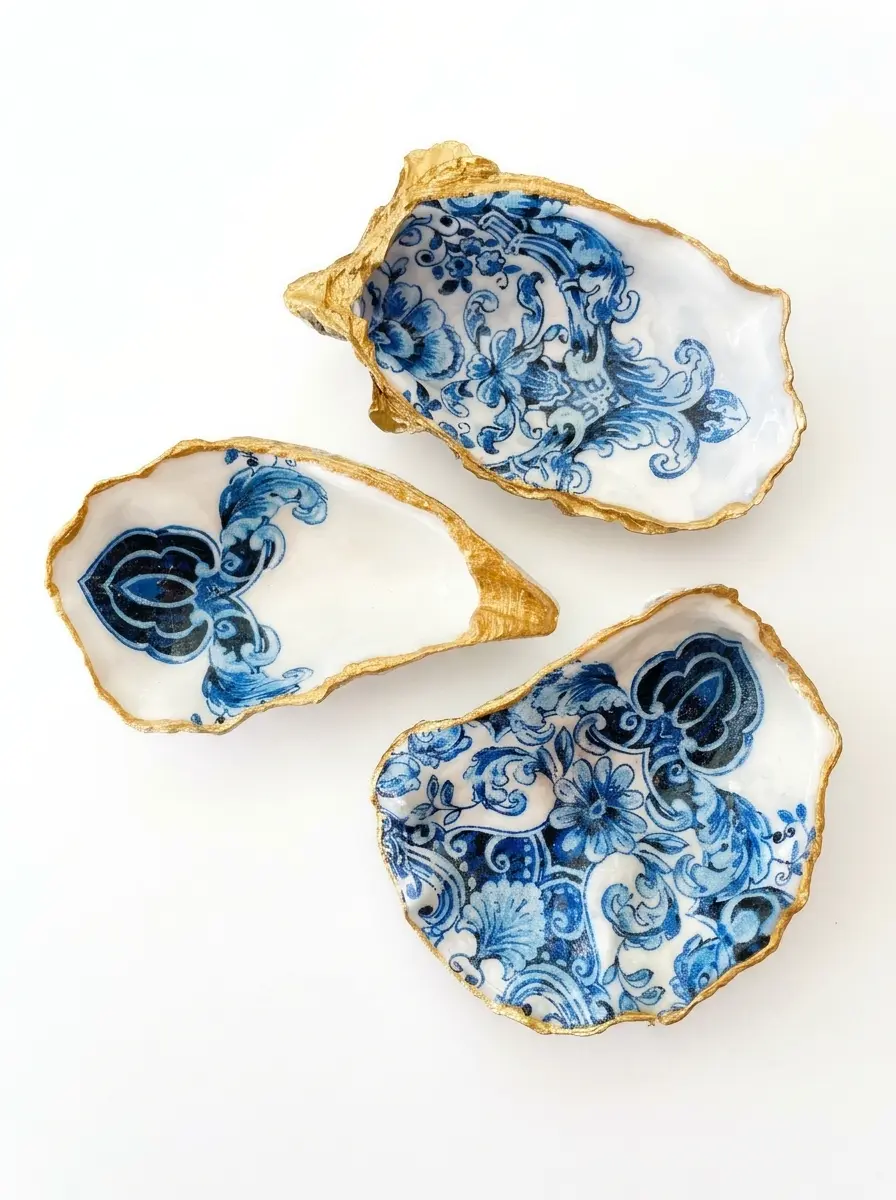
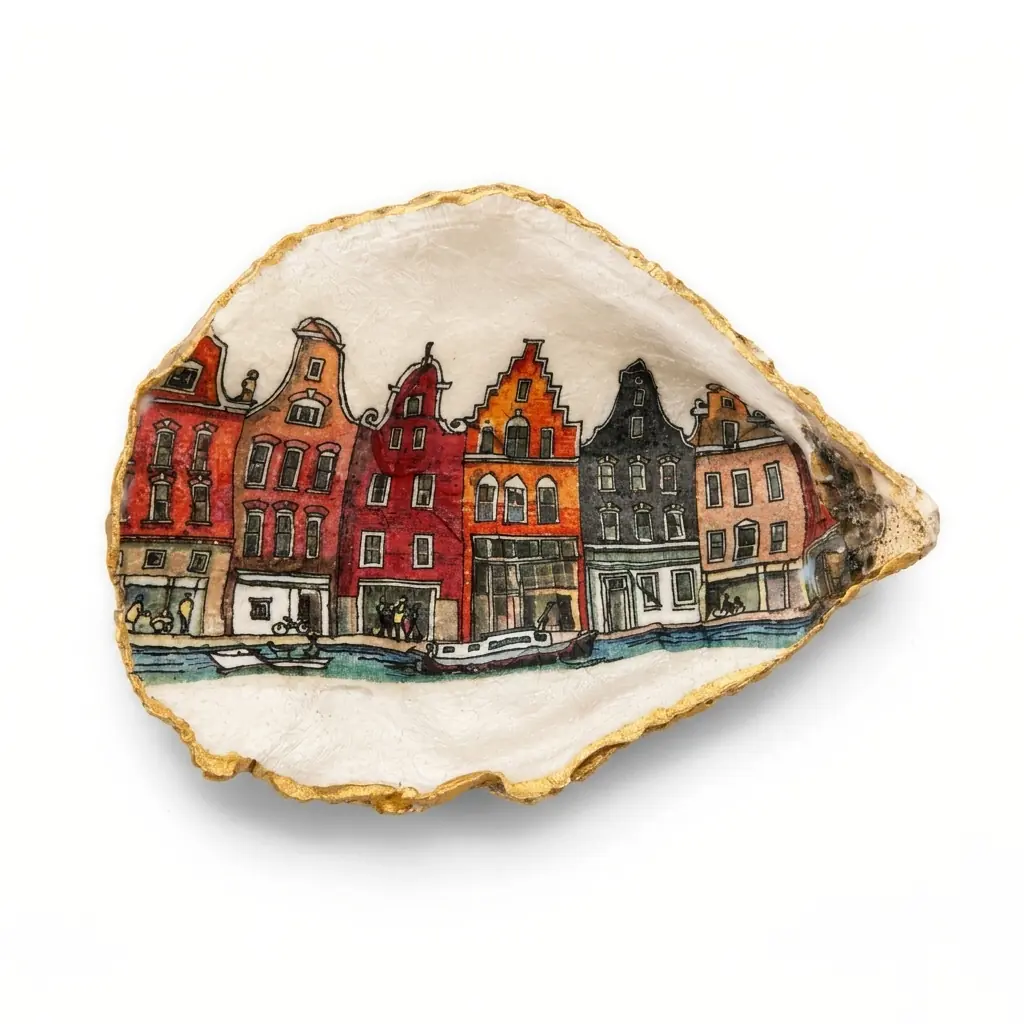
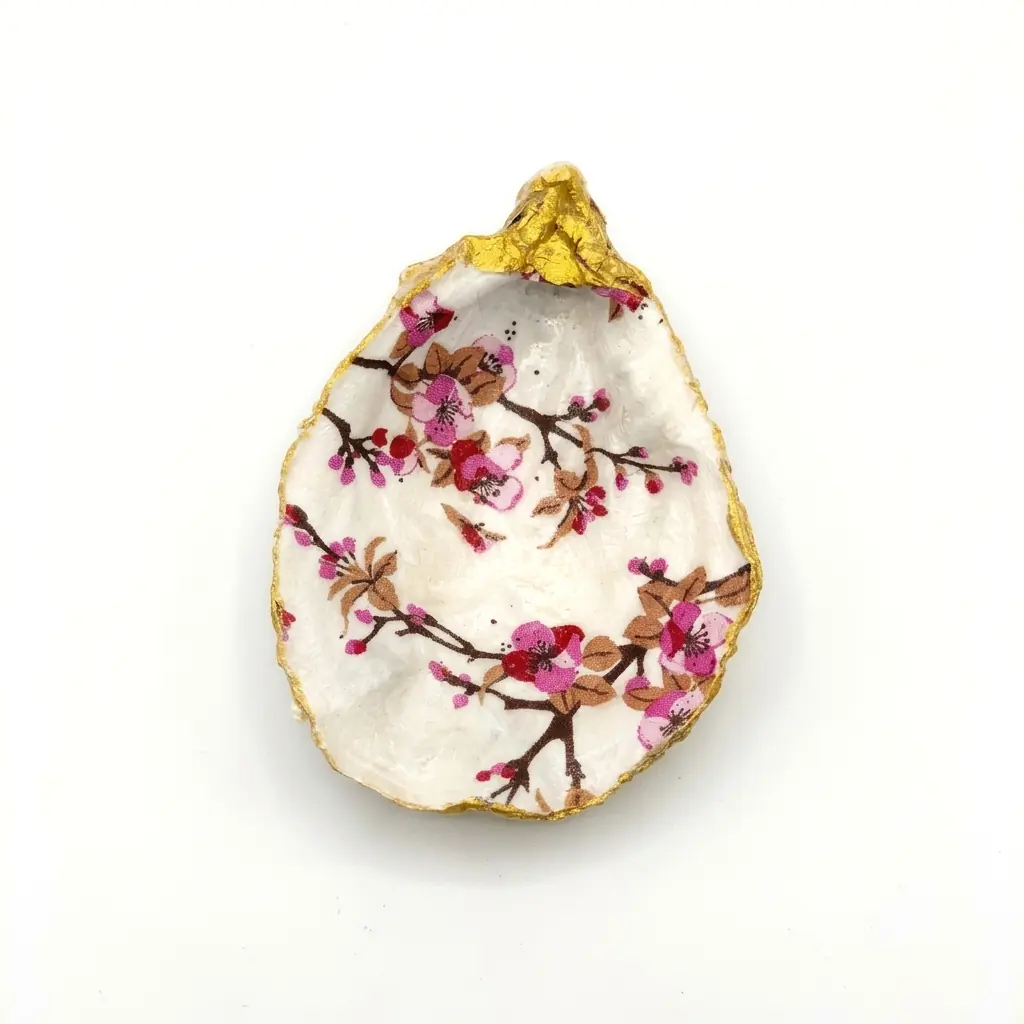
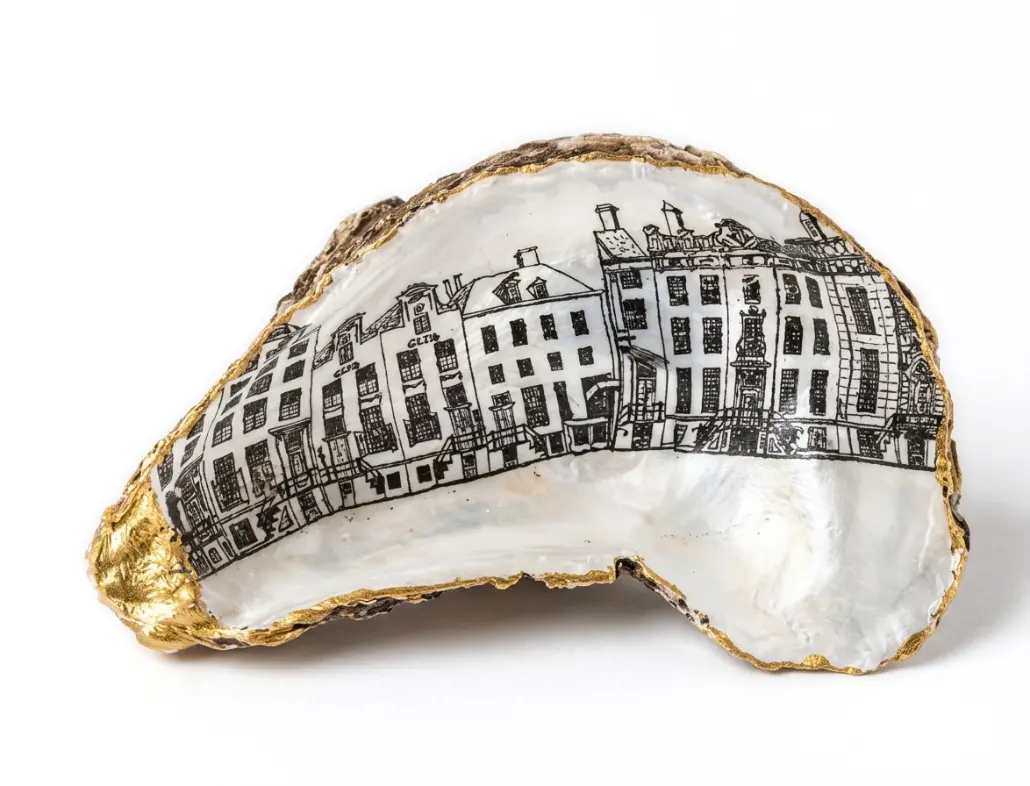
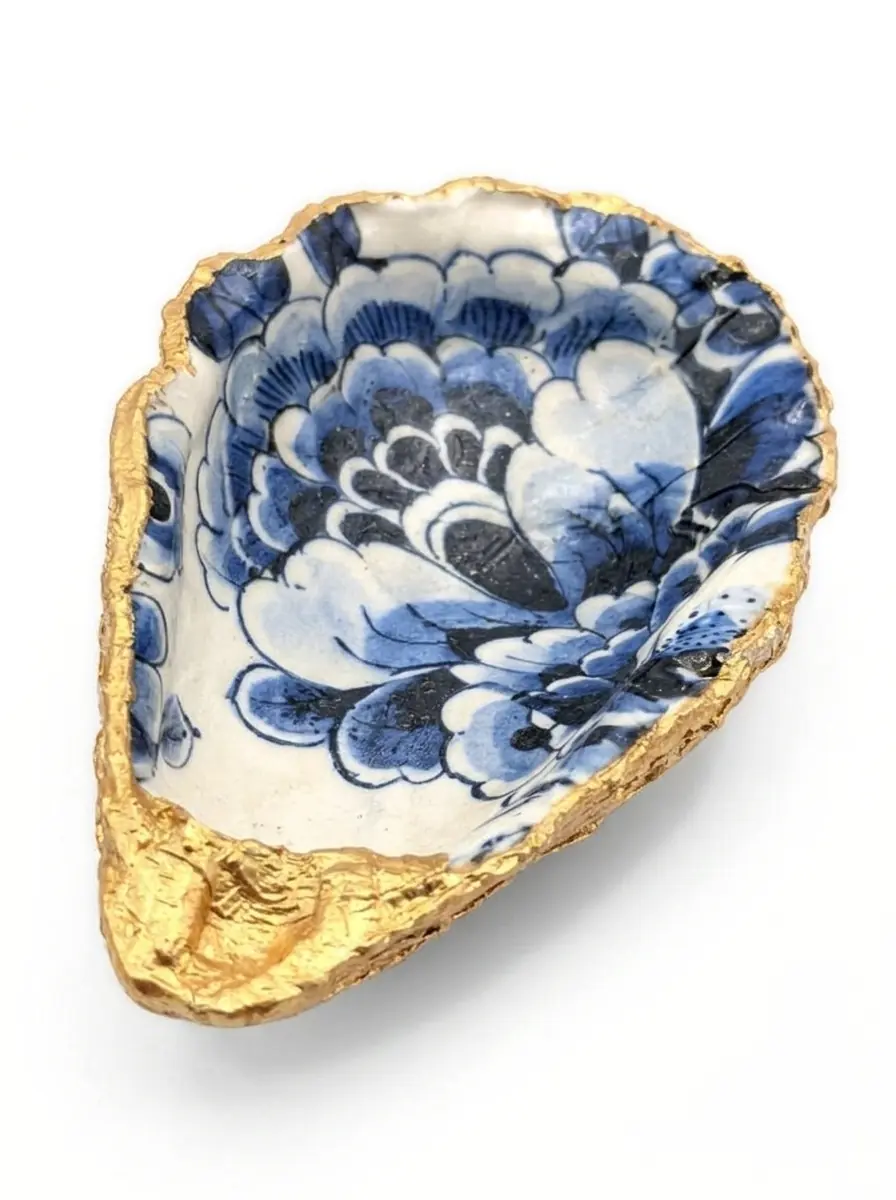
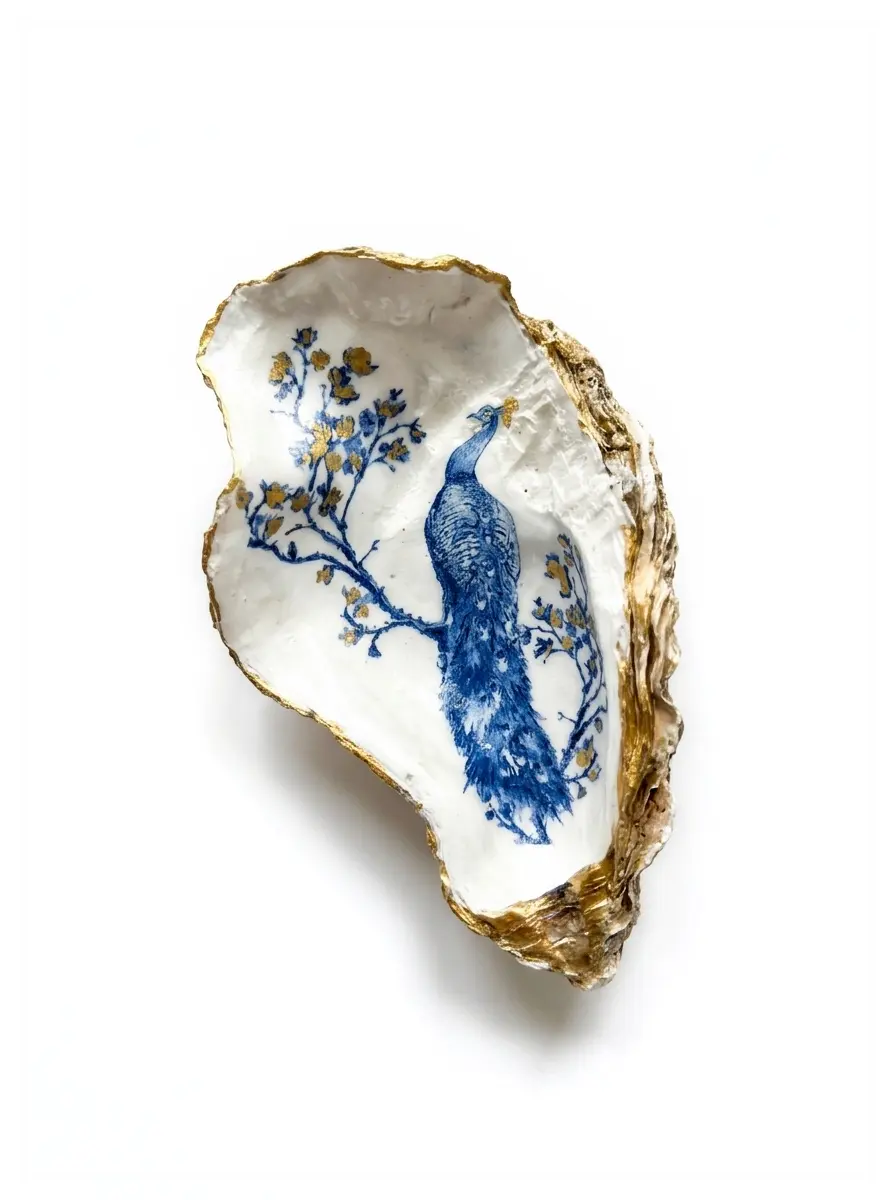
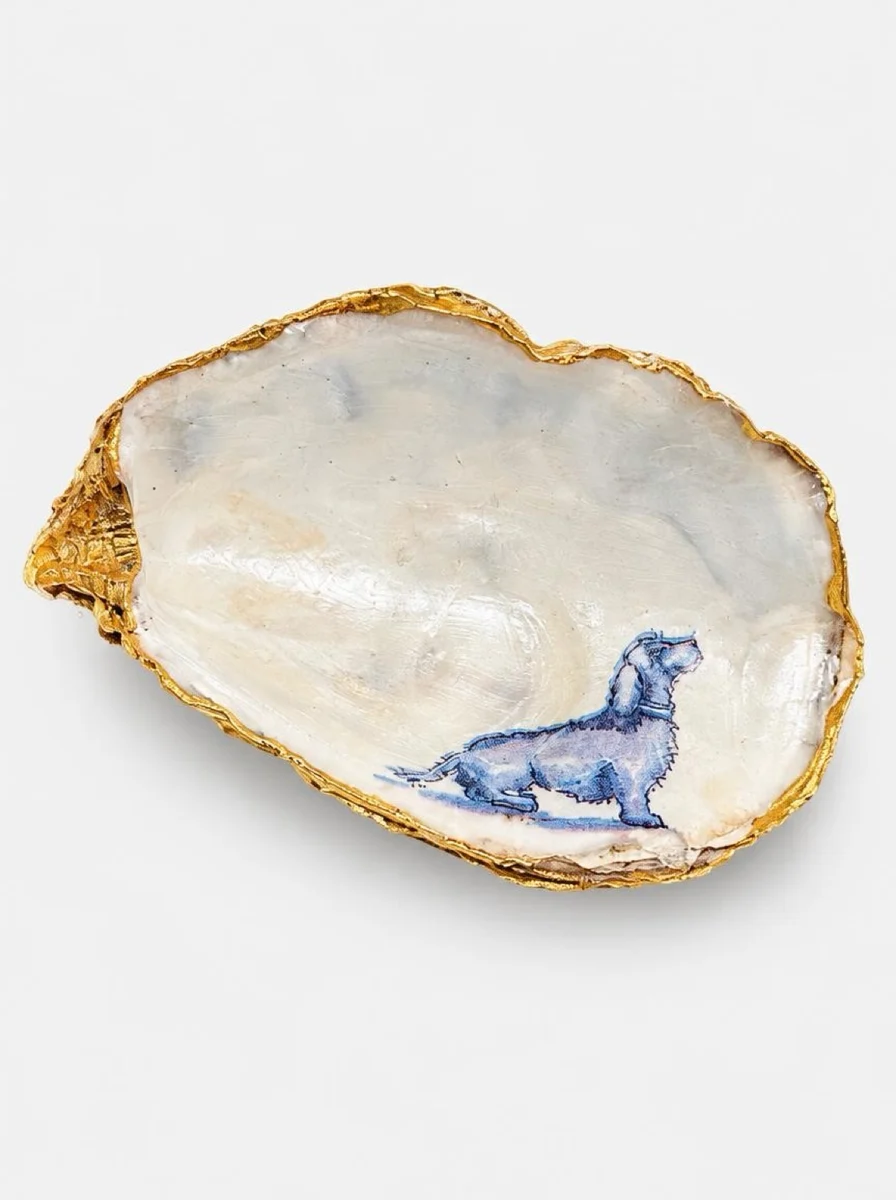
Two kinds of oyster
In Zeeland you mainly find two species:
- The Pacific oyster (the French creuse): rugged, elongated and deep. It arrived in Zeeland in the 1960s and is now the most common oyster. Most of our shells are Pacific oysters.
- The European flat oyster (Zeeuwse platte): round, flat and the traditional Zeeland oyster. It's rarer and loved by connoisseurs.
The Eastern Scheldt and Yerseke
The salty, nutrient-rich water of the Eastern Scheldt is ideal for shellfish. The village of Yerseke has been the centre of Dutch oyster farming for centuries, and you can still see its oyster pits today.
From the beach to our studio
We only use empty shells. We collect them along the Eastern Scheldt, for example near Zierikzee, clean them and decorate them in our studio in Amsterdam. A shell that would otherwise stay on the beach gets a second life.
Picking oysters yourself?
Along the Eastern Scheldt, people pick wild Pacific oysters from the dykes. There are rules on where and how much you may pick, and they can change, so always check what's allowed locally, and be careful about eating them because of water quality.
Frequently asked questions
Do you sell oysters to eat?
No. We sell decorated oyster shells and jewellery. For fresh oysters, visit a fishmonger or go to Yerseke.
Which oysters do you use?
Mostly empty shells of the Pacific oyster, which we collect ourselves along the Eastern Scheldt.
What's the difference between a creuse and a flat oyster?
The creuse (Pacific oyster) is elongated, deep and rugged. The flat oyster is round and flat, and rarer.